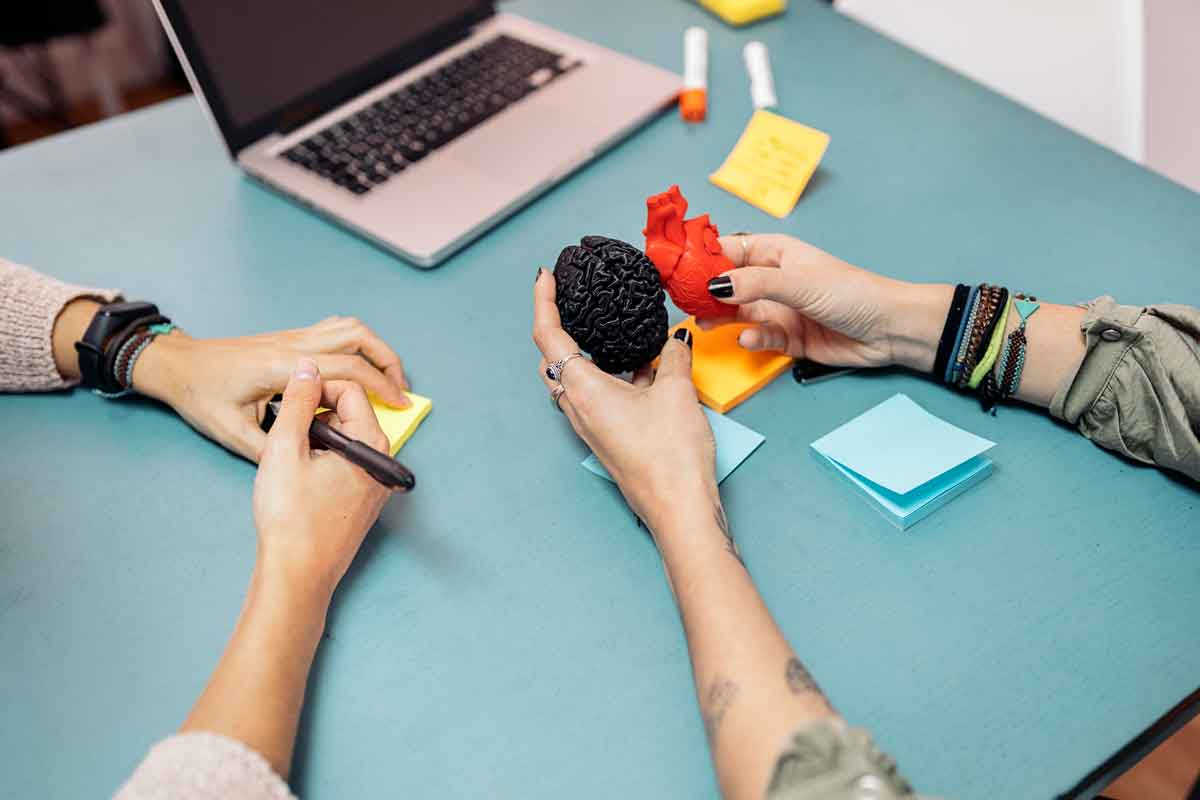
3D printing is a versatile technology that has found its way into education as a valuable tool for teaching and learning. It offers numerous benefits in the education sector, enabling students and educators to create, explore, and innovate in various ways.
3D printing allows students to engage in hands-on, experiential learning. They can design, create, and physically hold their projects, which enhances their understanding of complex concepts in subjects like science, technology, engineering, and mathematics (STEM).

3D printing in the educational school system has gained popularity as a valuable tool for enhancing student learning experiences. It offers several benefits across different levels of education, from elementary schools to universities. Here are some key aspects of 3D printing in education. Incorporating 3D printing into technical education and training programs can be a valuable strategy for developing these skills. It provides a hands-on, practical approach to learning that can complement traditional theoretical instruction, making it easier for individuals to grasp complex technical concepts and apply them effectively in their careers.

3D printing allows students to create physical objects from digital designs. This hands-on approach engages students and helps them understand complex concepts in subjects like science, technology, engineering, and mathematics (STEM). It promotes active learning and problem-solving skills.

The 3D printing field is continuously evolving, with new technologies, materials, and applications emerging regularly. Those engaged in 3D printing must stay up-to-date, promoting a culture of adaptability and learning that is valuable in any technical field.

3D printing enables students to transform abstract ideas and concepts into tangible, visual models. This aids in the comprehension of various subjects, including biology, geography, and history, by providing a concrete representation of complex topics.

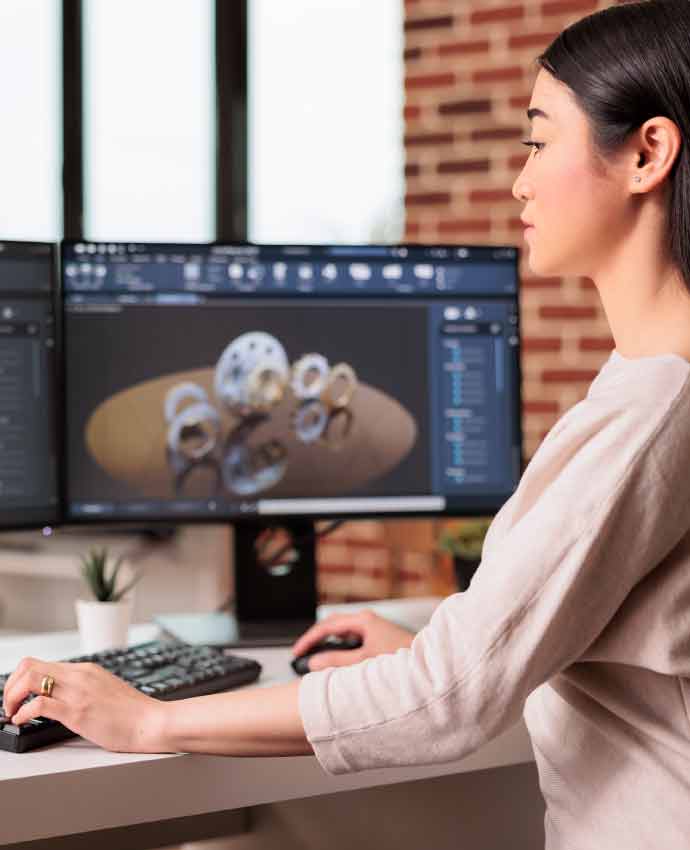
To create 3D-printable models, individuals need to learn computer-aided design (CAD) software. This involves developing proficiency in designing and manipulating 3D objects digitally. These skills are invaluable for careers in engineering, architecture, product design, and other technical fields.

3D printing encourages creativity and innovation. Students have the freedom to design and experiment, which can lead to innovative solutions and novel ideas in various subjects.

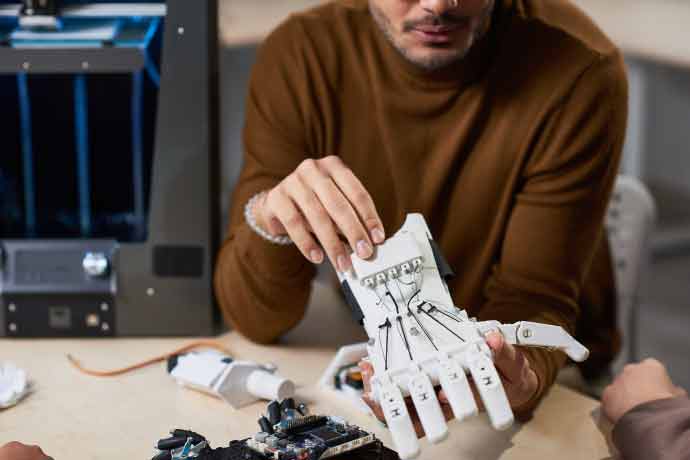
3D printing facilitates rapid prototyping, allowing individuals to create physical prototypes of inventions, products, or components. This skill is valuable for engineers, product designers, and entrepreneurs looking to develop and test new ideas. The customization of objects and designs is beneficial for creating tailored solutions in technical fields, such as designing specialized tools, equipment, or components for specific tasks.
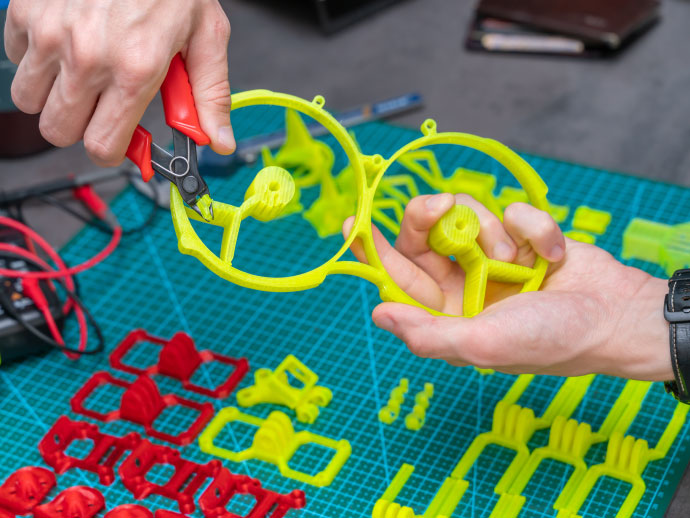
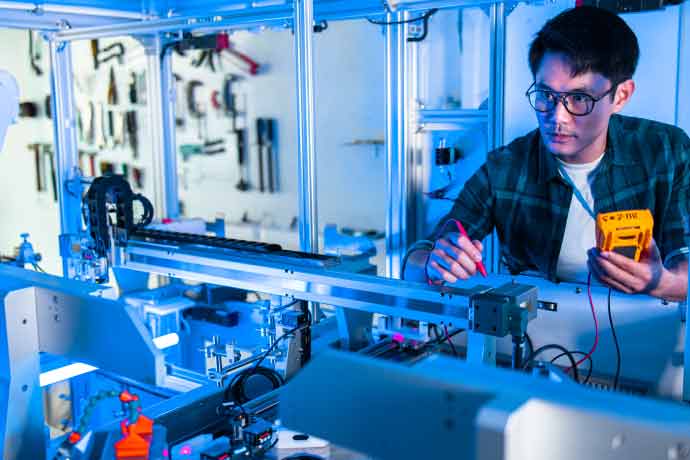
As users become familiar with 3D printers, they gain insights into mechanical systems, including motors, belts, and cooling mechanisms. This knowledge can be applied to maintenance and repair of 3D printers and other mechanical devices. By working with 3D printers, individuals gain insights into modern manufacturing processes, which can be applicable to careers in manufacturing and production.

3D printing encourages interdisciplinary learning, as it can be applied to a wide range of subjects. For example, students can create historical artifacts for history class, anatomical models for biology, or architectural prototypes for design and engineering courses.
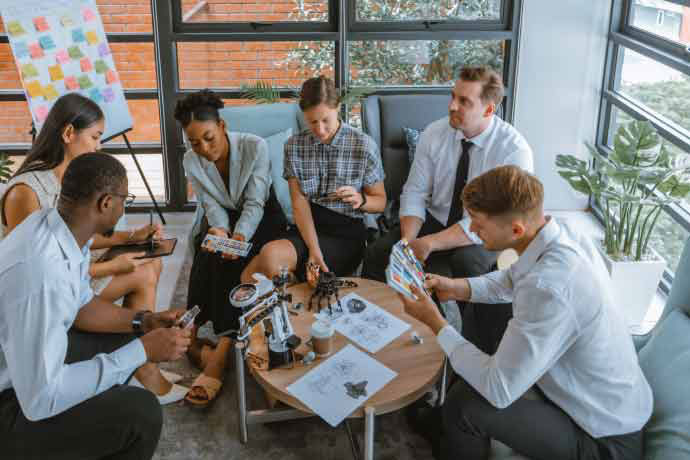
Collaborative projects involving 3D printing can promote teamwork and communication skills among students. They can work together to design and produce objects, simulating real-world collaborative environments. Many technical projects involve collaboration with others. 3D printing promotes collaboration as users can share digital designs, collaborate on projects, and work on interdisciplinary teams, fostering communication and teamwork skills.

Certain 3D printing processes involve chemical reactions, such as the curing of resins or the sintering of powders in selective laser sintering (SLS). Understanding the underlying chemical reactions helps users control the printing process and achieve desired results. Chemistry plays a critical role in the development of biocompatible materials used in medical and dental 3D printing applications. These materials must be safe for use within the human body and meet specific chemical and regulatory standards.
After 3D printing, parts often require post-processing steps, such as chemical smoothing or surface treatments. Knowledge of chemistry helps in selecting the appropriate chemicals and processes for finishing 3D-printed objects.

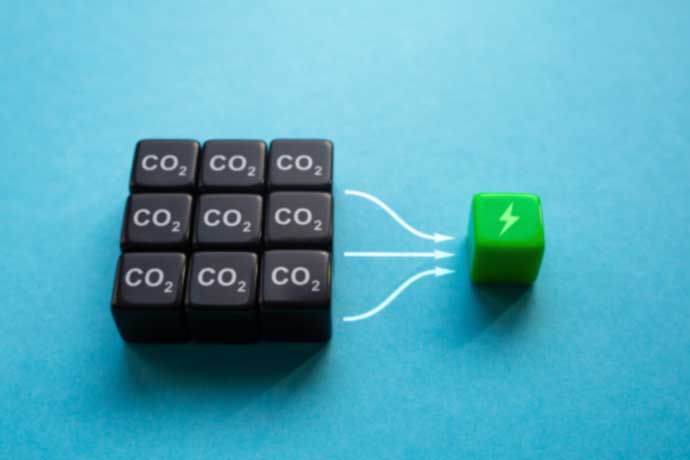
3D printing can also promote sustainability and environmental awareness. Educators can teach students about the environmental impact of materials and encourage them to design with sustainability in mind.

Familiarity with 3D printing technology is increasingly valuable in the job market. Introducing students to 3D printing early in their education can prepare them for careers in fields like engineering, design, manufacturing, and healthcare.



While there are numerous advantages to integrating 3D printing into the educational system, it's essential to consider budget constraints, teacher training, and safety protocols. Additionally, educators should ensure that 3D printing aligns with educational goals and curriculum standards.
Overall, 3D printing has the potential to revolutionize education by making learning more engaging, interactive, and practical, ultimately preparing students for the challenges of the 21st century.
We can provide following services:
Provide guidance and professional information, combined with demonstrations and hands on workshops.
Our services are not only limited to schools. Barangays and private organizations can benefit from our expertise.
When you want to start your 3D printing experience NERDS.PH can give you valuable advice choosing the printer that will suit your needs and expectations. We work together with renowned companies and will provide you with the best price and service.
Depending on the project, this can be free in some cases. For extensive presentations we charge a fee to cover for transportation and a hourly rate. Workshops on customers request will be agreed up on all depending location and machines needed.
Axil is data-driven and performance-focused, paving the way for us to charge your business forward and accelerate your growth.
Axil is data-driven and performance-focused, paving the way for us to charge your business forward and accelerate your growth.
Axil is data-driven and performance-focused, paving the way for us to charge your business forward and accelerate your growth.
Axil is data-driven and performance-focused, paving the way for us to charge your business forward and accelerate your growth.
Axil is data-driven and performance-focused, paving the way for us to charge your business forward and accelerate your growth.